
Easy access
Journalism
Themes
Formats
Programs
News
Support Gerador in building a more creative, critical and participatory society. Find out how here.

Reporting and text by Inês Loureiro Pinto
Image report of Victor Martinho
Editing by
Tiago Sigorelho
Design by Frederico Pompeu
Digital by Inês Roque
29.12.2025
Pedro Triguinho is deeply involved in movements advocating for water conservation. He is a member of the board of the ProTejo association, founder of the BASTA movement, a member of the Torres Novas group Um Coletivo, participated in the organization of the Caravan for Climate Justice in 2022, and is also part of the local group of the Rios Project and the Guardians of the Almonda River. In 2018, he was awarded an Honorable Mention in the Fernando Pereira National Environment Prize. In this video, we hear about one of his struggles, associated with the work of Um Coletivo: the liberation of the Almonda River's source.
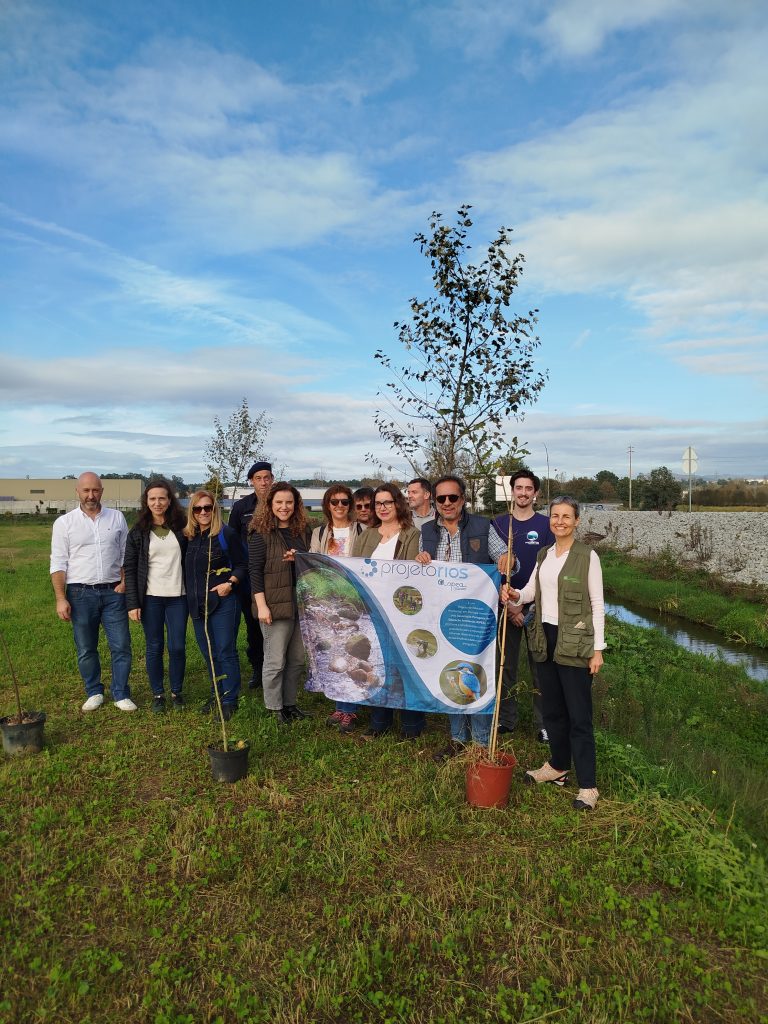
It is a citizen participation project created by E.Rio, a river rehabilitation consulting company, and implemented in the municipalities of Torres Novas and Famalicão. The volunteers, who receive training on the subject, meet periodically to monitor waterways, install natural engineering solutions for bank stabilization, and clear obstructions from the riverbed. The Torres Novas Guardians group has existed for two years, and its 16 members have already helped remove more than two tons of trash from the Almonda River.
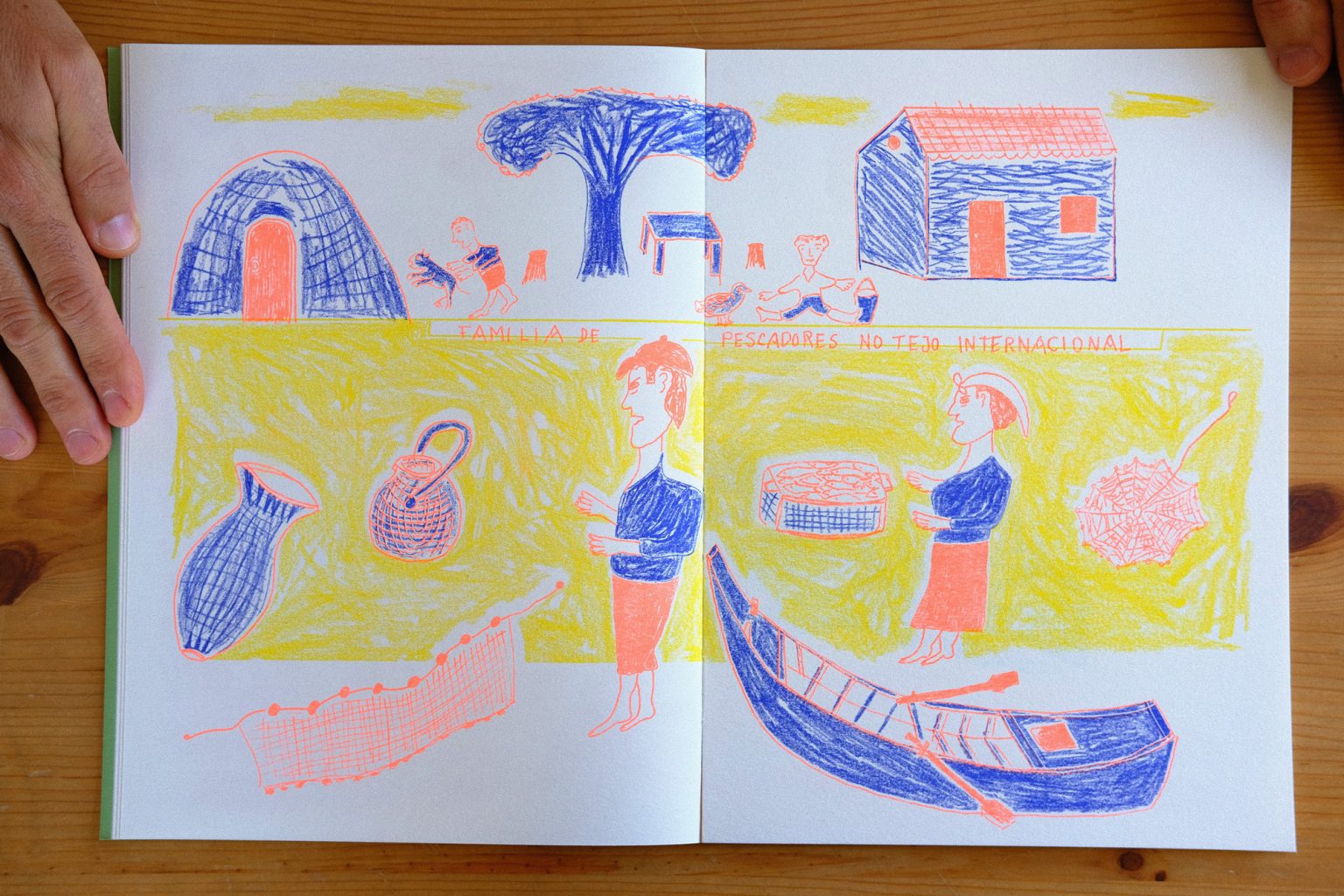
The Guarda Rios Collective aims to address the desertification of the territory and water scarcity through a research and creation practice that proposes “a culture of water and an approach to rivers, through participatory artistic creations and processes of co-learning, conviviality and celebration”. In six years of existence and with nine residencies and 12 events and exhibitions across the country, Francisco Pinheiro and Nuno Barroso, visual artists and co-founders of the collective, have gathered historical, documentary and artistic material to create a constantly evolving “laboratory of the future” that promotes critical thinking about the human impact on water resources and offers paths to reconnection. The collective's second residency on the Tagus River, held in Tapada da Tojeira, Vila Velha de Ródão, in May 2020, resulted in a publication based on illustrations by Alexandre Fonseca Augusto Jesus, a river guard, whose collection is held at the Perais Parish Council.
Born in Catalonia, the Rivers Project is on track to celebrate two decades in Portugal. Coordinated by the Portuguese Association for Environmental Education (ASPEA), it mobilizes 700 volunteer groups with the challenge of sponsoring 500-meter stretches of rivers across the country. Comprising families, schools, municipalities, and businesses, the groups are autonomous and organize field trips where they monitor riverside biodiversity and implement improvement actions in various locations in mainland Portugal. To participate, simply gather a group of at least four people and apply to adopt a stretch of river or stream with the national coordination of the Rivers Project.
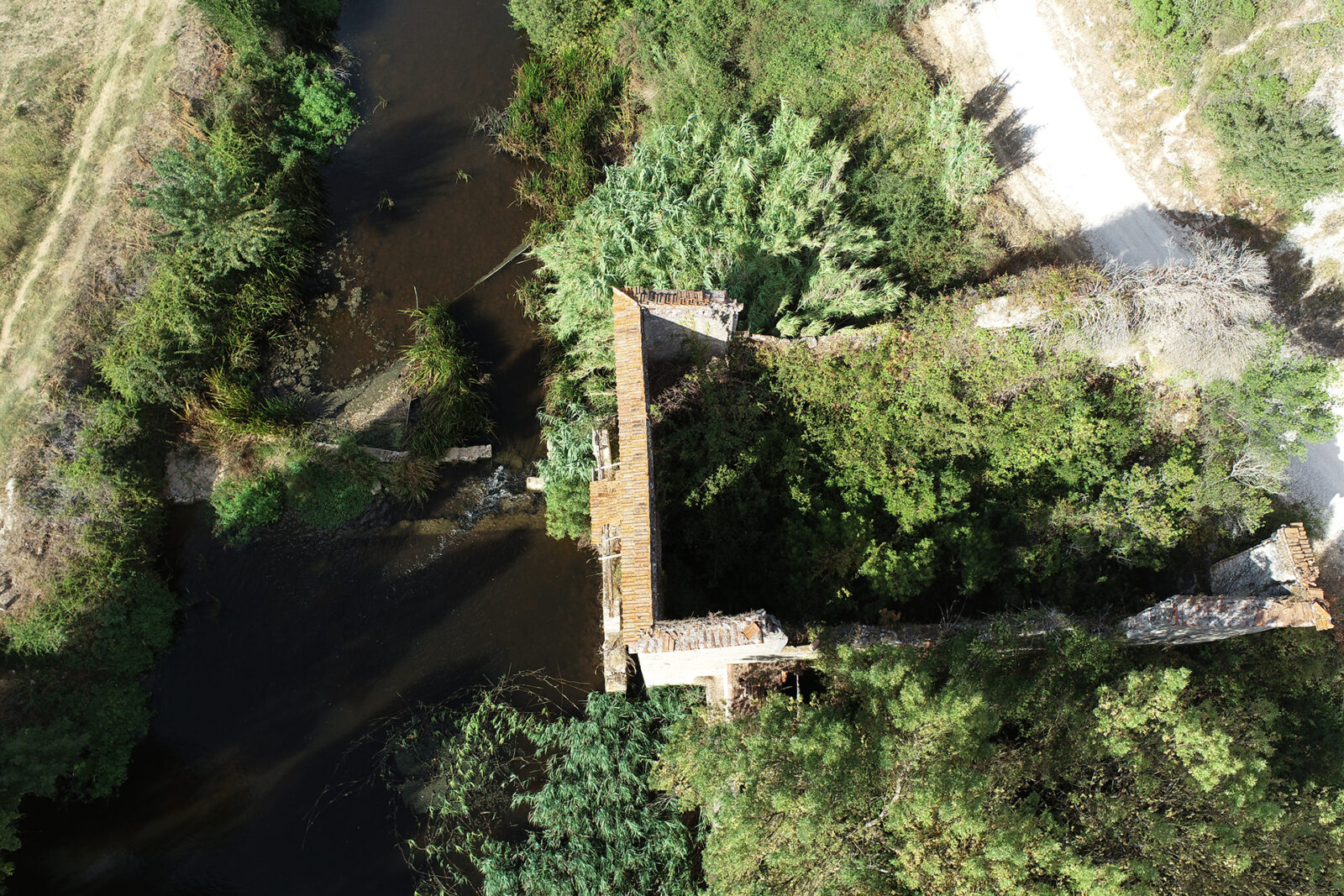
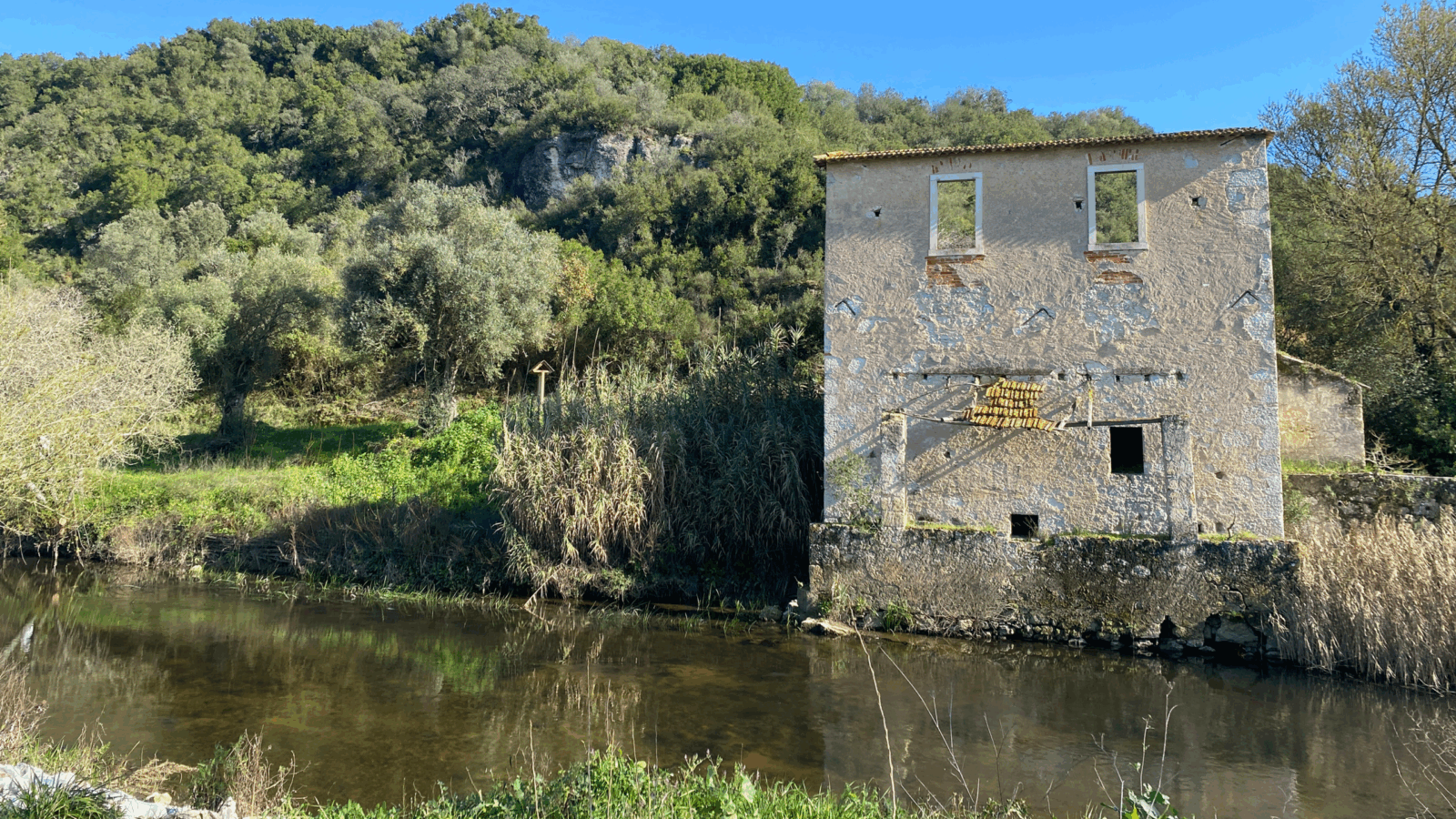
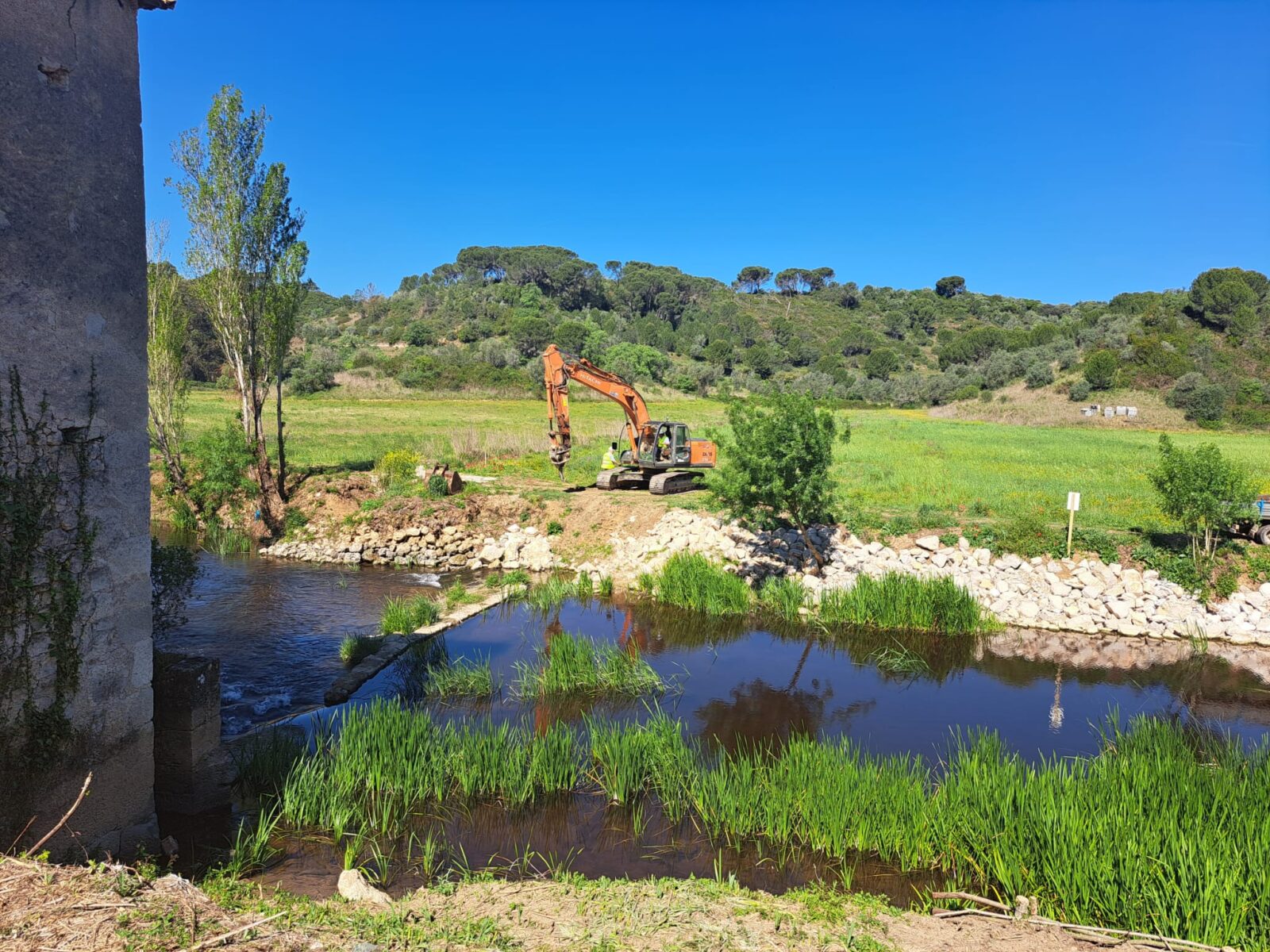
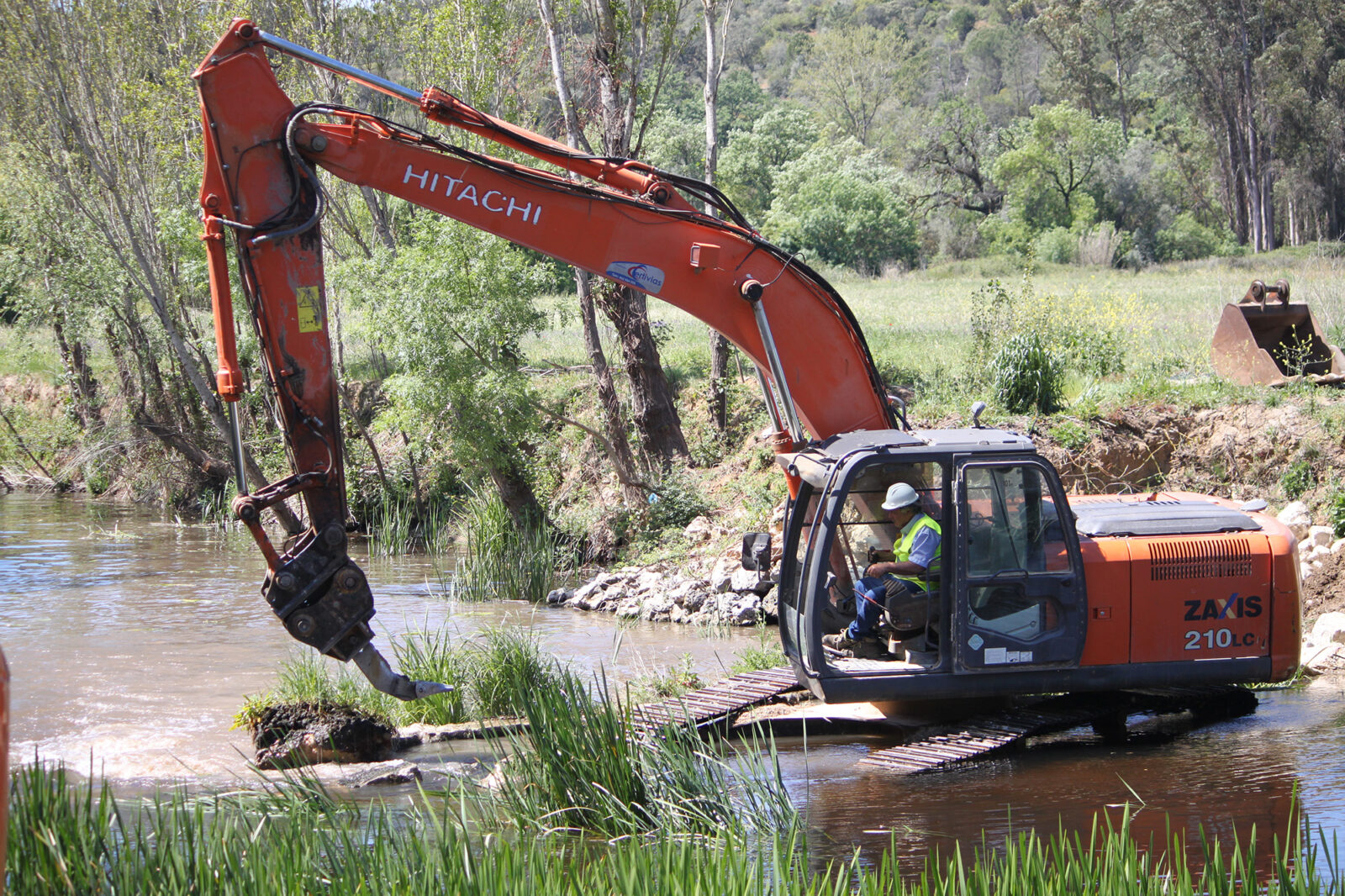
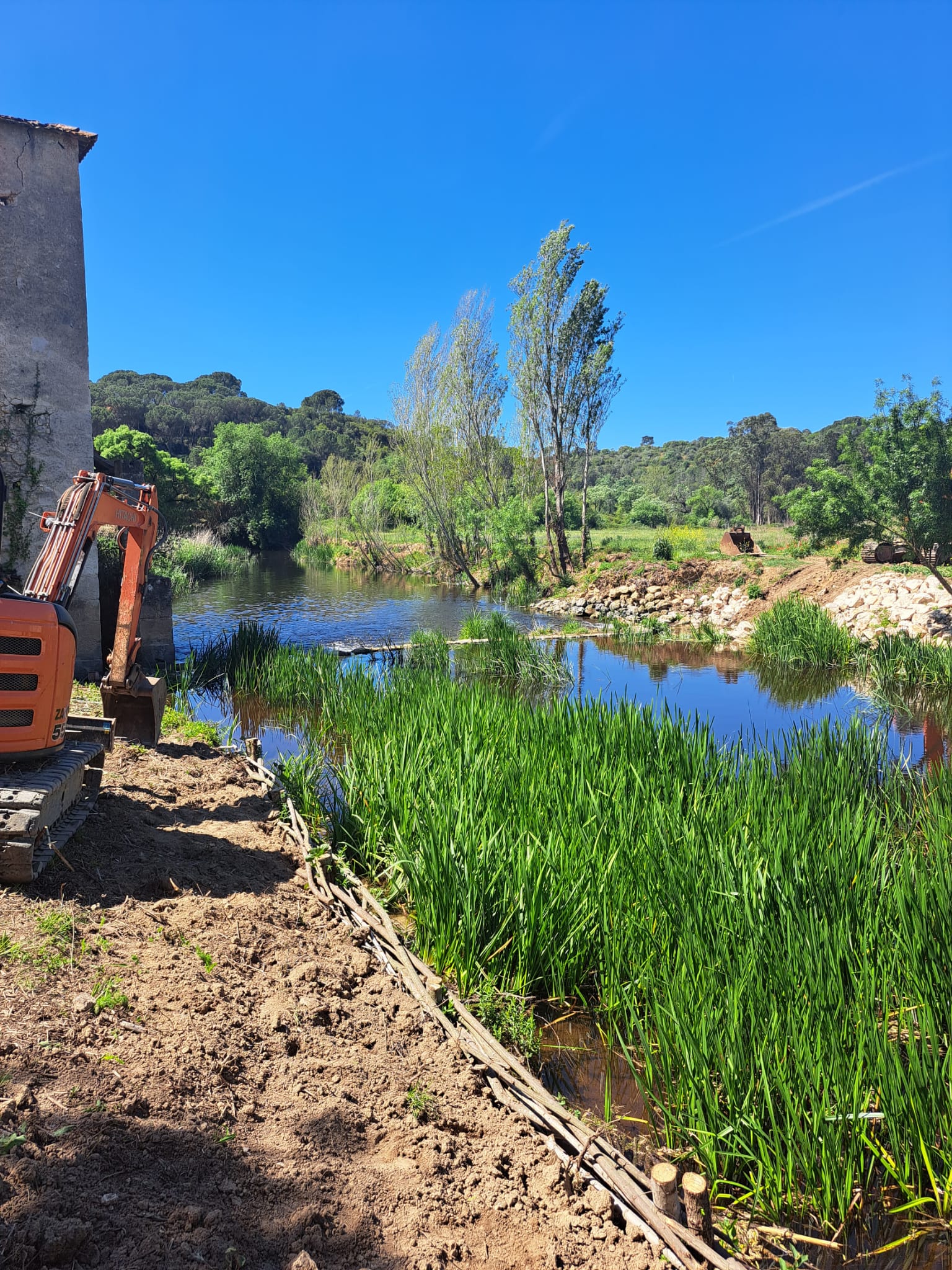
The Free Rivers Program, from GEOTA – Group for Studies on Spatial Planning and Environment (which promotes the journalism grant that gave rise to this report), has existed since 2016 to promote the enhancement of Iberian rivers, with a special focus on promoting the non-construction of dams and the removal of obsolete and harmful ones to ecosystems. The project to remove a weir on the Alviela River in 2023, in partnership with the municipalities of Santarém and Alcanena, earned them the international Dam Removal award that year, promoted by Dam Removal Europe and the World Fish Migration Foundation. Following this action, which also included the stabilization of riverbanks and the recovery of the riparian gallery, the former Minister of Environment and Climate Action, Duarte Cordeiro, announced the National Program for the Removal of Obsolete Barriers, with the collaboration of NGOs in identifying priorities, in line with the EU Biodiversity Strategy for 2030, which foresees the restoration of river connectivity in at least 25 kilometers of rivers in Europe. At the end of November 2025, another barrier was removed from the Alviela River, in the Sourinho section, and work is underway to stabilize and rehabilitate the riverbanks using natural engineering techniques and planting ash, almond, and quince trees.
Olsi Nika and Besjana Guri, two Albanian activists, won the 2025 Goldman Environmental Prize for their twelve years of work with the NGO EcoAlbania, which culminated in the Albanian government's recognition of the Vjosa River and its surrounding area as a National Park, preventing the construction of artificial barriers, mining, and urbanization on its banks. The Vjosa River originates in Greece, flows through 192 kilometers of Albanian territory, and empties into the Adriatic Sea. With the support of the international organizations Euronatur and Riverwatch, Besi and Olsi launched the campaign "Save the Blue Heart of Europe". The initiative assessed the hydromorphology of over 80,000 kilometers of rivers in the Balkans and concluded that these are the most "untouched" waterways in Europe – specifically, 37% of the rivers are in pristine or near-natural condition and 51% in slightly or moderately altered condition. The Vjosa River is the first Wild River National Park in Europe.
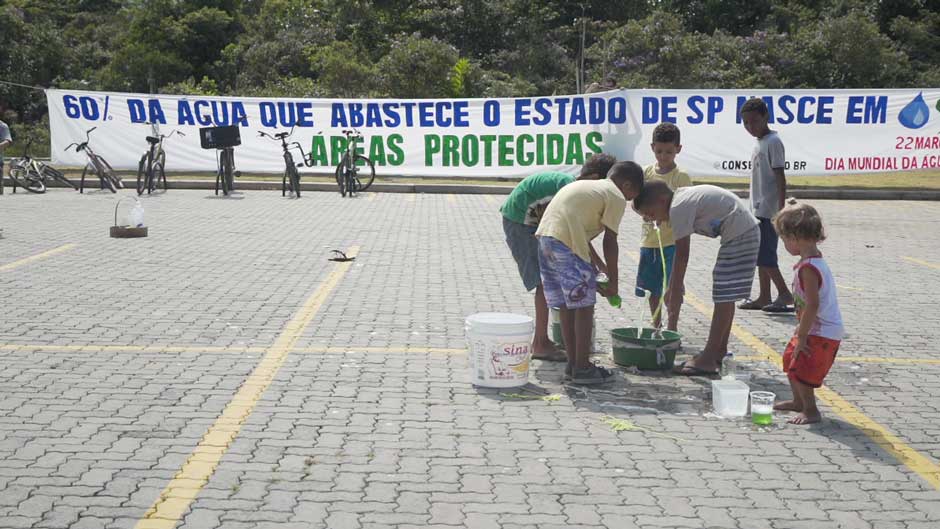
The FunBEA – Brazilian Fund for Environmental Education – has water as one of its pillars and promotes the "Water Caretakers" initiative in the North Coastal region of São Paulo, an area with 80% protected area and 460 kilometers of coastline, where rivers corresponding to 34 hydrographic basins flow into the sea. Through a training process in environmental education and water resources, citizens of this region can become "water caretakers" and contribute to strengthening their communities and access to water.
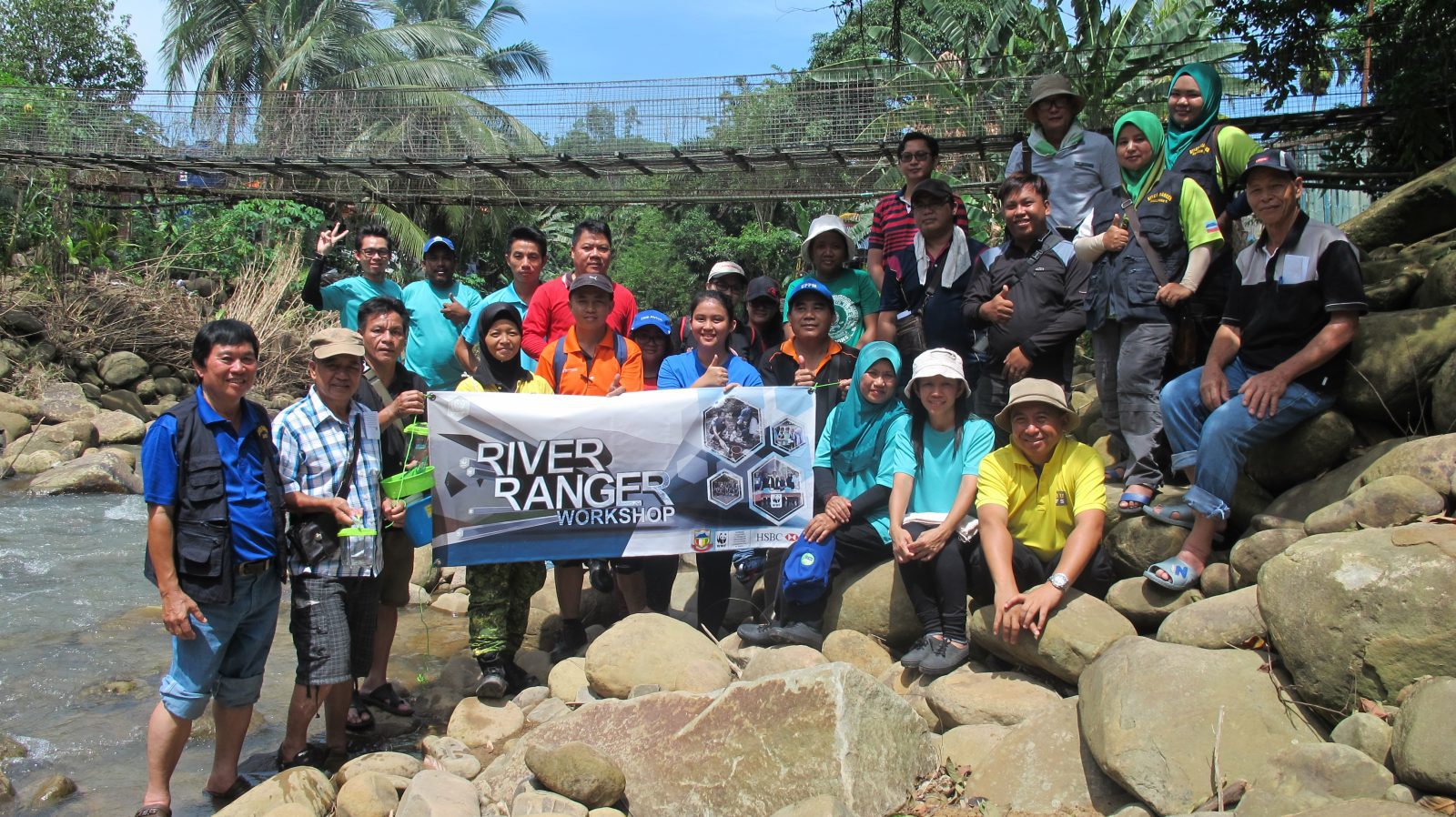
The River Rangers program, implemented by WWF Malaysia in December 2015 in the Upper Sugut River basin, consists of training local communities to become agents for the conservation of freshwater habitats. Some of the Rangers from the first group trained have served as trainers for new teams in other regions of the country. Their work involves identifying and mapping pollution sources and implementing practices to ensure the cleanliness of rivers, which are greatly affected by the indiscriminate discharge of industrial and sewage wastewater.
In 2023, English poet and activist Meg Avon married the River Avon, which runs through her hometown of Bristol. Her documentary “Rave on For the Avon,” which includes footage of the ceremony, has been screened in various locations around the world to raise awareness of pristine waterways. For the next World Water Day, to be celebrated on March 22, 2026, the environmental organizations Extinction Rebellion and Dirty Water Campaign are encouraging a global day of action in “joyful celebrations and commitment ceremonies” to encourage more people to commit to being stewards of the river of their lives.
